Seven days, two countries, sixteen women, countless steps—and a lifetime of memories.
Part 1: Following the Shells — Beginning the Camino in Portugal
In late April 2025, I set out on an adventure that was equal parts spiritual, physical, and culinary. My destination? A portion of the famed Camino Trail. Our journey would begin in Porto, Portugal, and, step by step, wind its way across the border into Spain, ending in the historic city of Santiago de Compostela. On paper, it sounded straightforward—walk 7 to 10 miles per day, stay in beautiful inns, and soak up the scenery. In reality, it was so much more.
Looking back, I realize just how adventurous this was. A decade earlier I had climbed Machu Picchu, so I thought I knew what I was signing up for. Spoiler: I didn’t. But isn’t that the beauty of travel? You can prepare, pack, plan, and train, yet there’s always an element of surprise—something that sneaks in and makes the journey your own.
This trip came about through a conversation with my cousin. We were both navigating losses in our lives and searching for something restorative—something that would strengthen us and remind us of the joy in moving forward. When she suggested we walk the Camino together, it just felt right. We joined a group of 15 other women organized by the incredible Amy Quinn of Spirit Road Travel, with the on-the-ground expertise of Backroads Travel. Three of the women were traveling solo, the rest were pairs of long-time best friends. From the very beginning, I knew this wasn’t going to be just another trip. It was going to be a pilgrimage in every sense of the word.
Getting There: The First Hiccup
Does any trip ever start smoothly? Travel these days feels like its own endurance test. My cousin and I were supposed to meet in Newark before flying on to Portugal. I landed without issue, but she wasn’t so lucky. Newark’s main runway was under renovation, air traffic controllers were staging walk-offs, and flights were dropping like dominoes. Her flight was flat-out canceled, leaving her scrambling to rebook for the next day.
And so, I began my Camino solo.
Vila Nova de Gaia: Easing In
Our first two nights were set at the dreamy Vinha Boutique Hotel in Vila Nova de Gaia. After the overnight flight, it was the perfect place to adjust to the time change and ease into the rhythm of the trip. I wasted no time indulging in the spa, booking a massage that erased any airplane aches.
Dinner that night was at Vinha Restaurant, led by Michelin-starred chef Henrique Sá Pessoa.


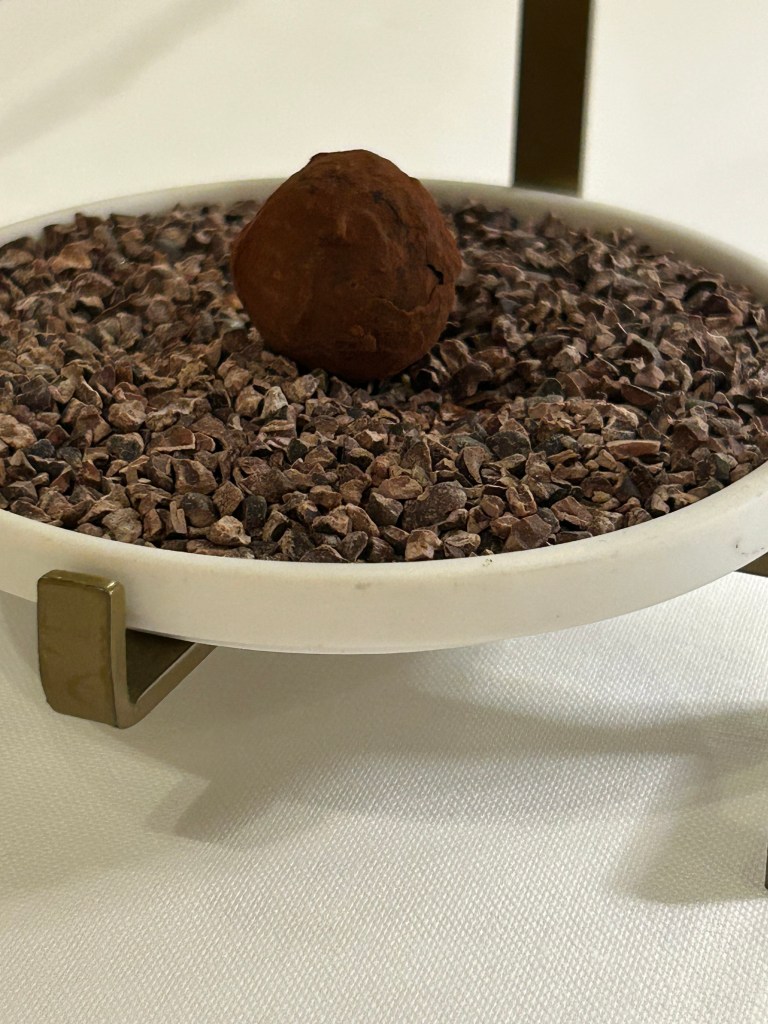
The meal was a revelation. I began with Texturas de Couve-flor, a cauliflower tower that was as beautiful as it was delicious, followed by wild sea bass. In true Michelin fashion, a parade of delicate amuse-bouches appeared before the courses, each one a tiny work of art. It was the kind of dinner that makes you close your eyes with each bite. My only regret was that my cousin was missing it. By the time dessert came, I was blissfully full and ready to surrender to bed.
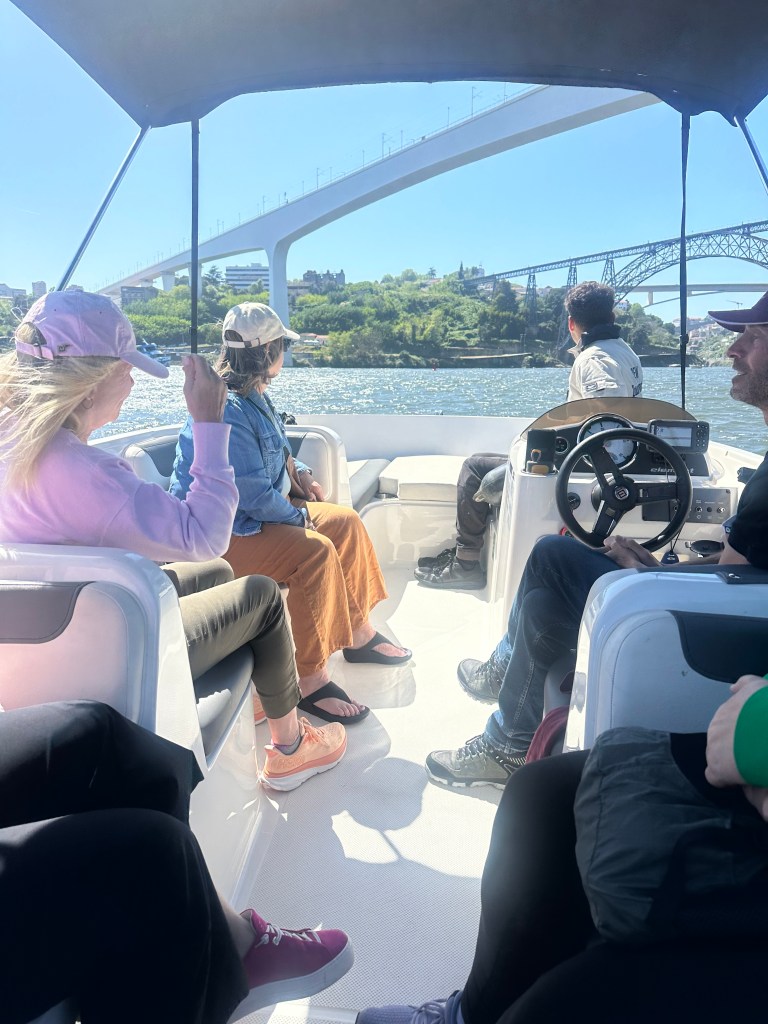
My cousin arrived the following morning, and we wasted no time catching up. The hotel arranged a boat across the Douro River to Porto, where we joined a small group for a walking food tour.

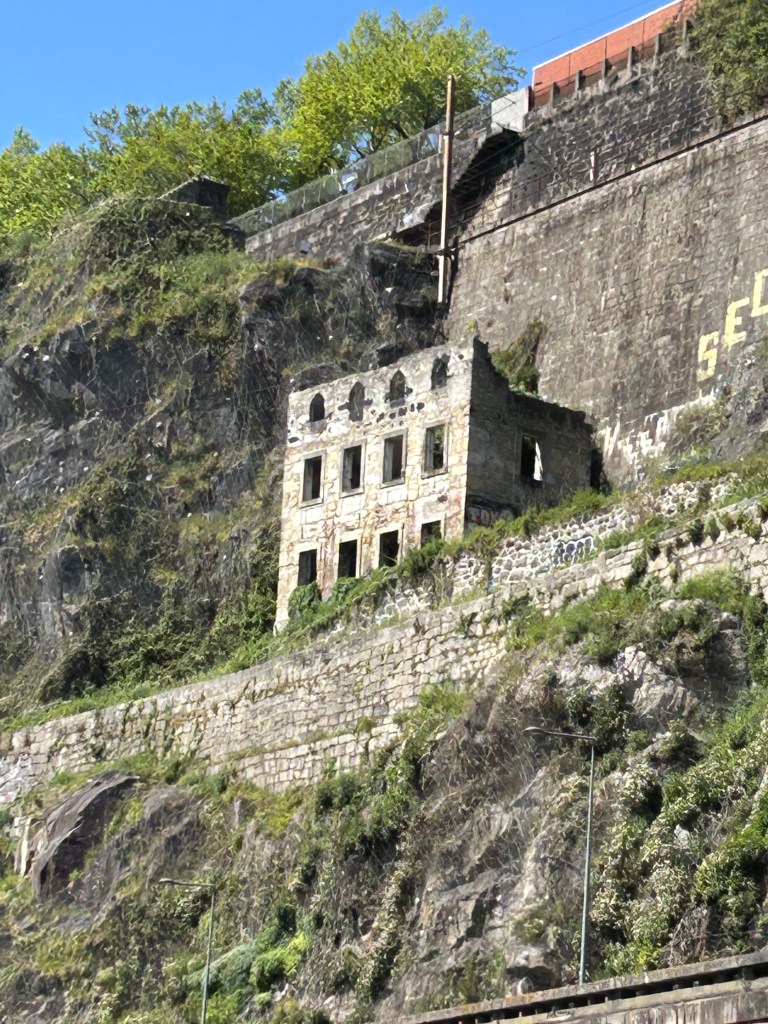
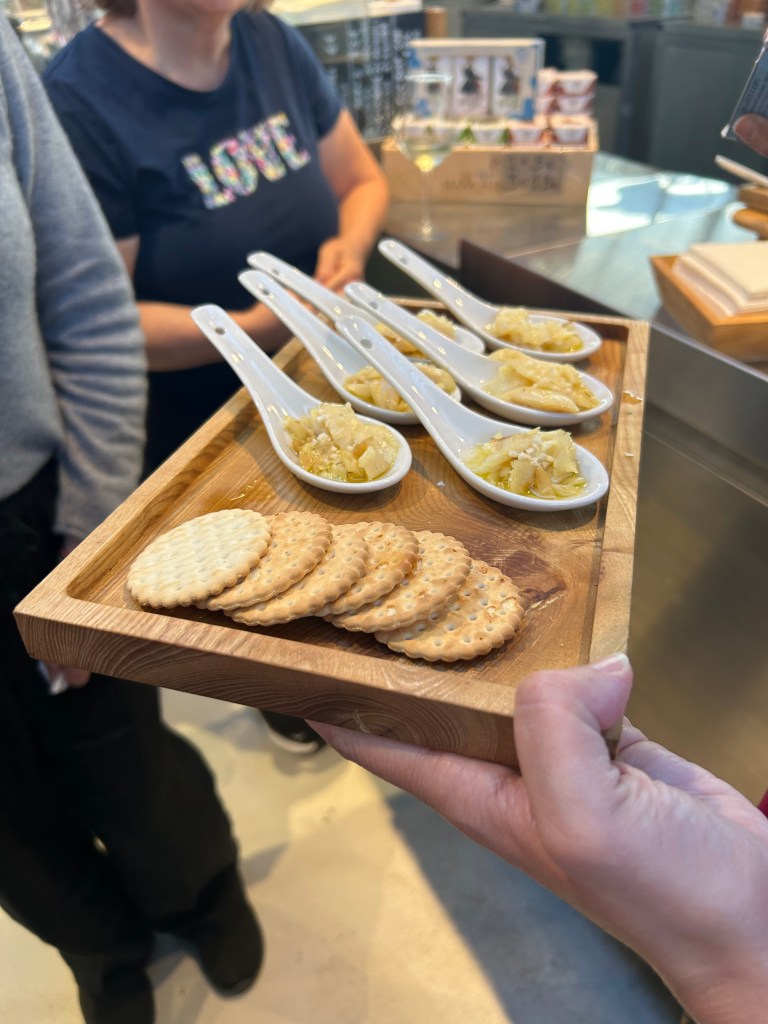
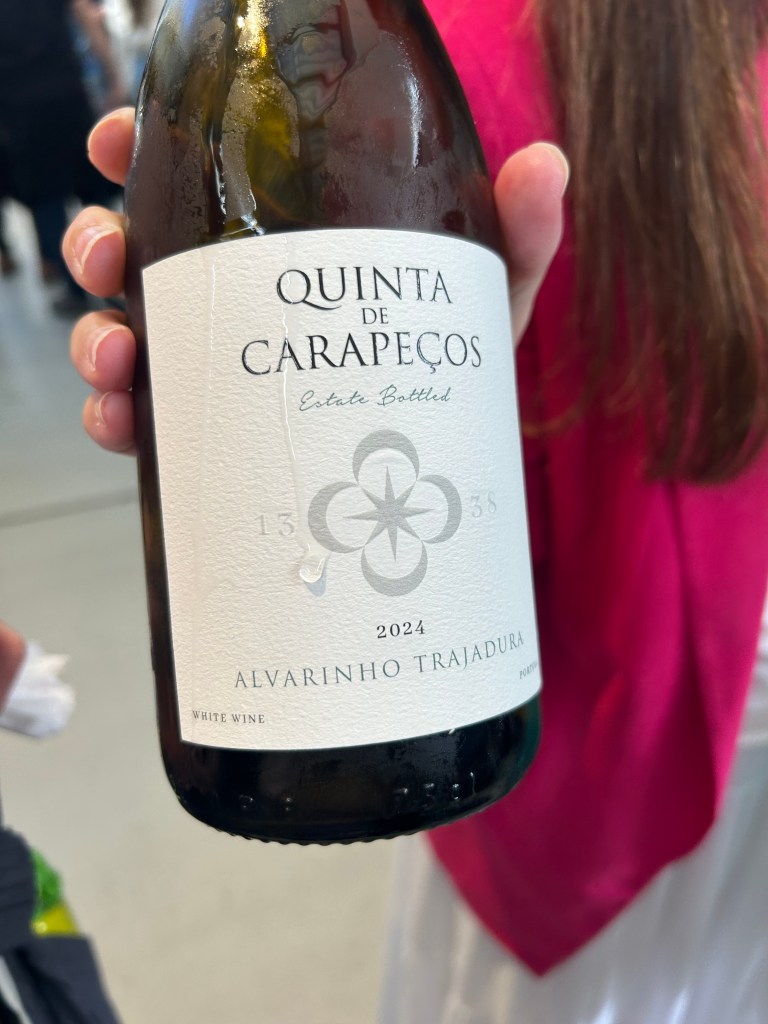
Our first stop was at a bakery for pastel de nata, the legendary Portuguese custard tart. Flaky crust, creamy filling, dusted with cinnamon—one bite and I was hooked. (Confession: I could have stayed there all day happily eating more.) At the Mercado do Bolhão, Porto’s historic covered market, we sampled oysters, mussels, and even canned sardines and cod—so much fresher and more flavorful than the canned fish at home. Naturally, all of this was washed down with crisp glasses of Vinho Verde.


By the time we returned to the hotel spa for the water circuit, we were happily stuffed and ready for the evening’s welcome cocktails with the rest of the group. Tomorrow, the walking would begin.
Day 1: Ponte de Lima
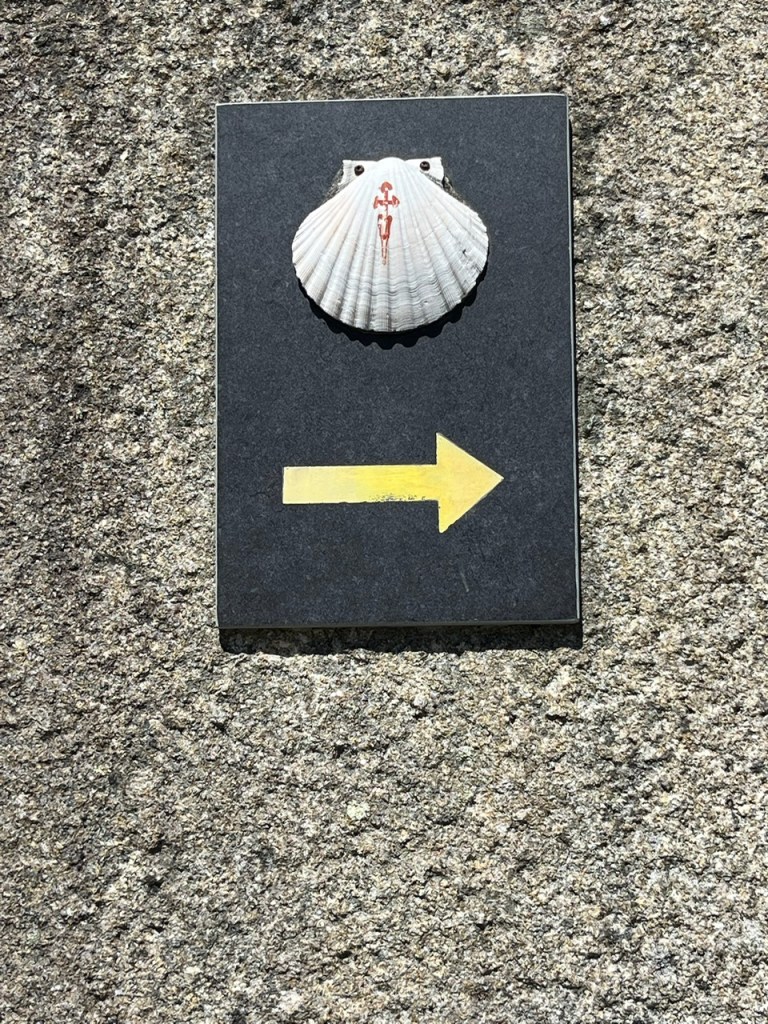
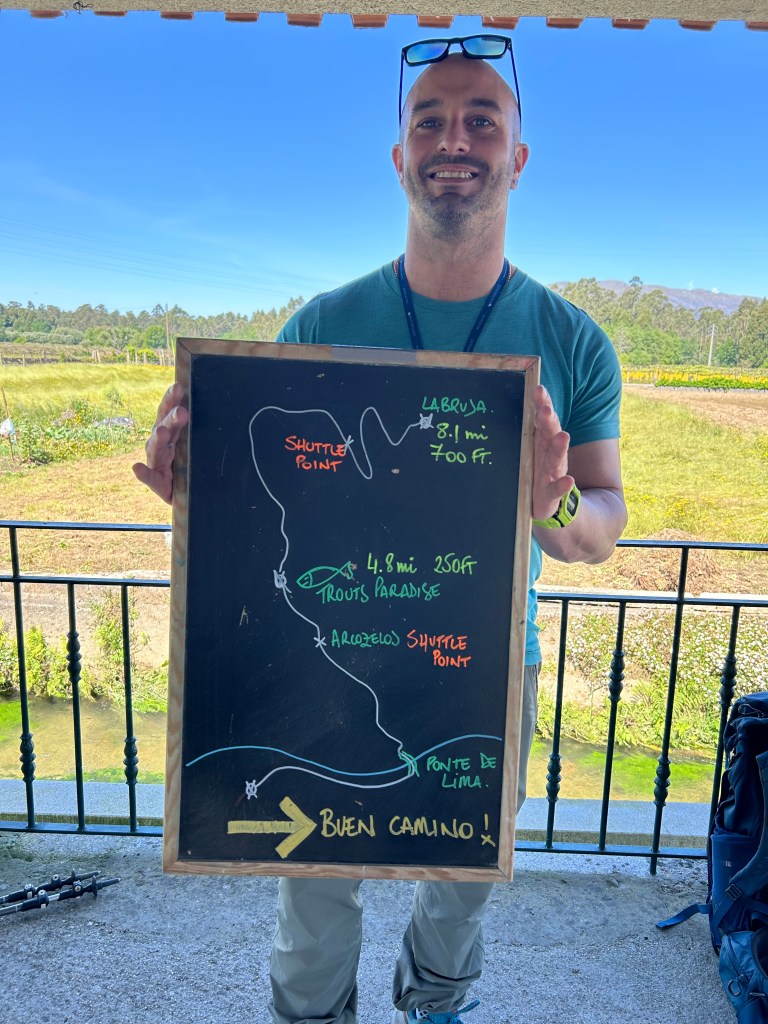
We kicked off our Camino at Ponte de Lima, Portugal’s oldest village, beginning along an easy stretch of the 17th stage of the Caminho Português one of the historic pilgrimage routes that begins in Lisbon. The path wound gently through farmland, vineyards, and picture-perfect villages, each one a postcard of northern Portugal. Our guides, Christian and Cesar, reminded us of the golden rule: when in doubt, follow the scallop shell. These little markers, the symbol of St. James, dot the Camino paths and point pilgrims in the right direction.

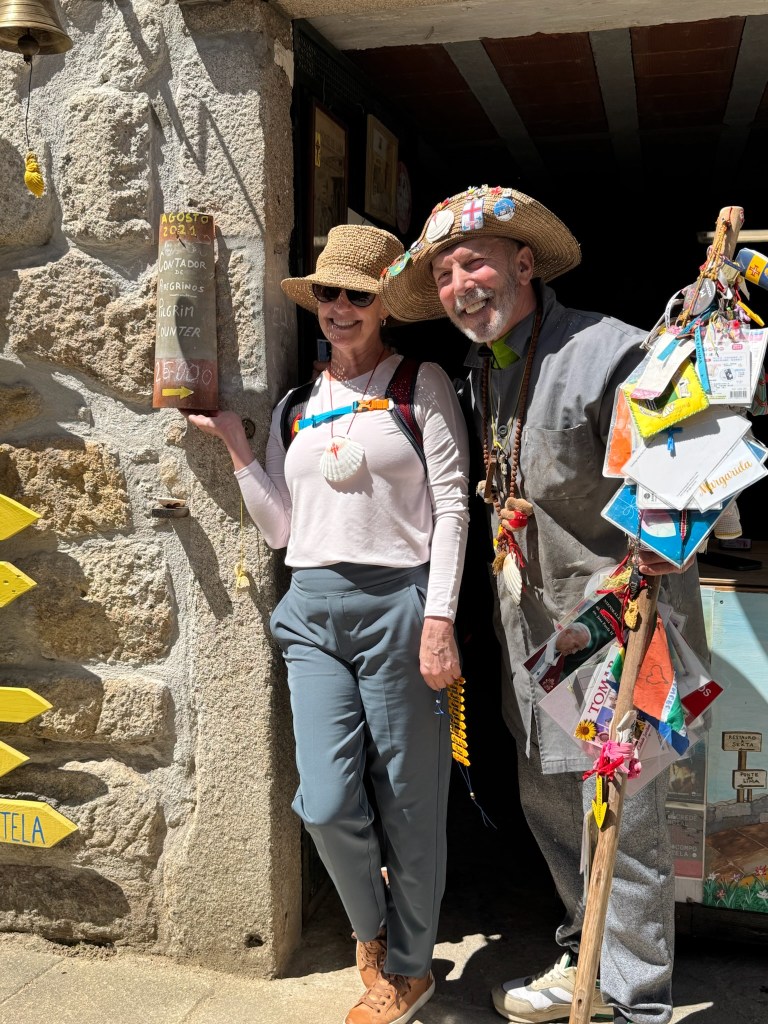
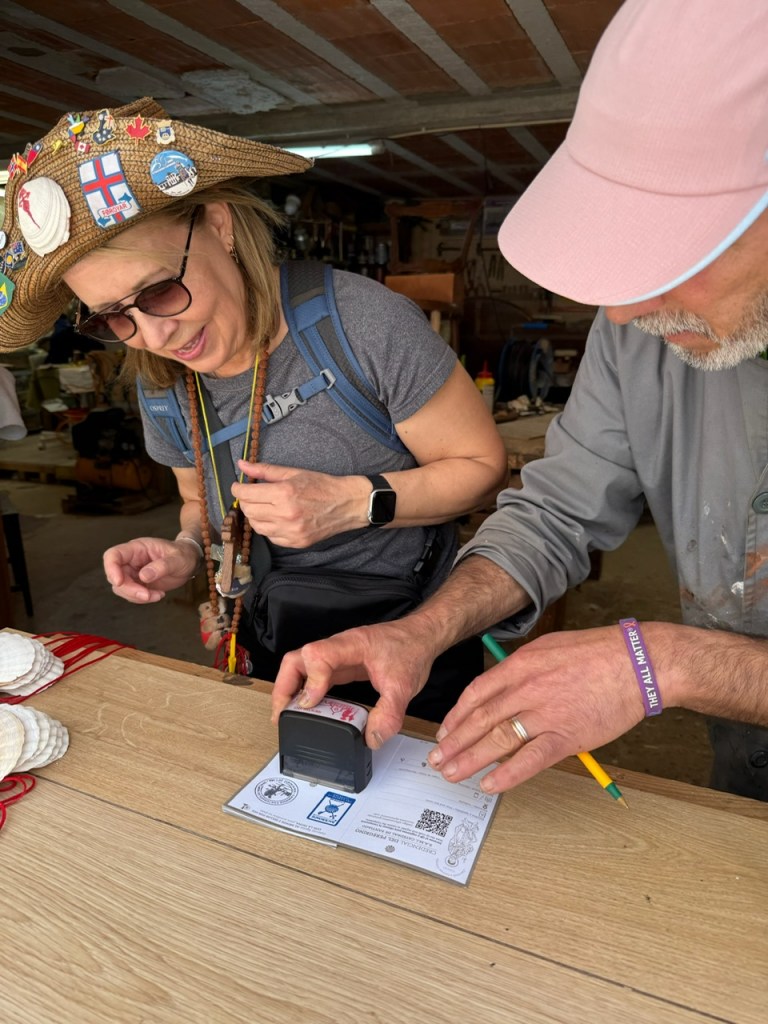
We had all been given “pilgrims passports”. The tradition of filling these booklets with stamps along the Camino dated back centuries. Each stamp design is unique, marking not just the distance but the soul of the place—churches, cafés, bakeries, even the occasional unsuspecting shopkeeper would pull out a rubber stamp from behind the counter. Today, you still need at least two stamps per day to prove you’ve completed the required 100 kilometers for the Compostela certificate at the journey’s end.

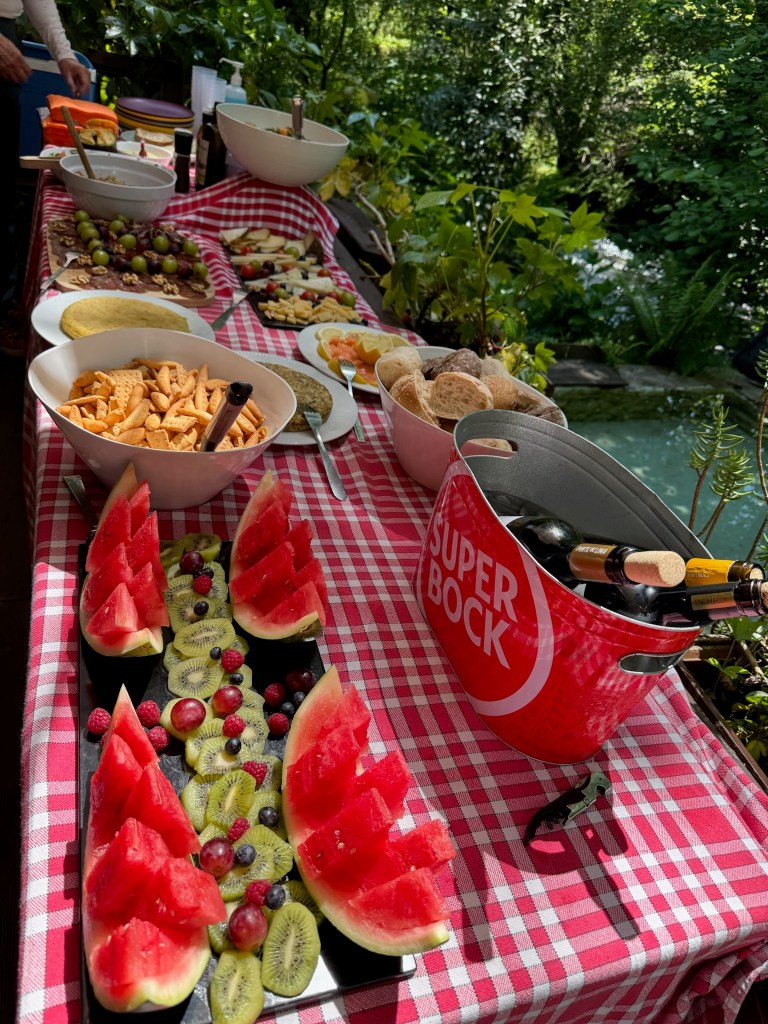
As we walked, history seemed to rise up beneath our feet as we crossed a Roman bridge dating back to the 1st century, its stones still carrying pilgrims after all these years. Fields glowed with spring green, dotted with wild lilies swaying in the breeze. By midday, we reached a shaded stream where Backroads had arranged a picnic spread. Shoes came off quickly, and a few brave souls plunged their tired feet into the icy water—a shocking but oh-so-refreshing reward.


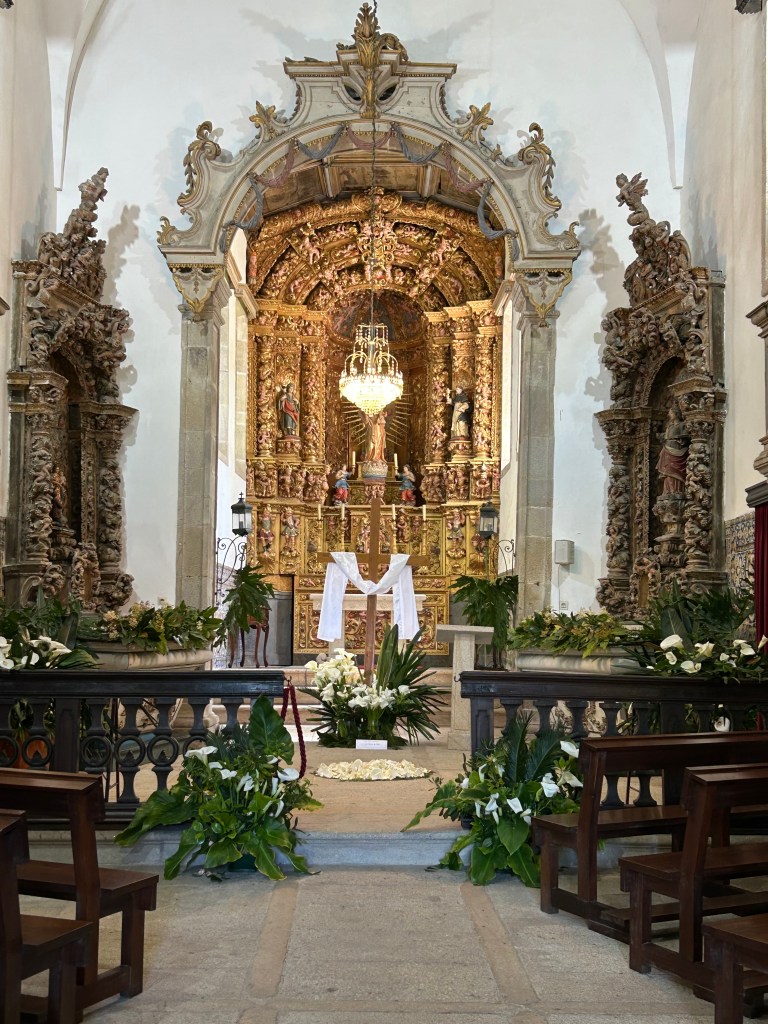

After our picnic lunch, we picked up the trail again, this time along the 18th stage of the Caminho Português. The path carried us through shaded forests and quiet rural villages and ended at the Pousada Viana do Castelo a historic building which had beautifully renovated in 1979.


We were then shuttled to our home for the next two nights: Hotel Pousada Viana do Castelo, perched high above the town, with sweeping views of the Lima River and the surrounding mountains. It was the kind of place where you couldn’t resist pausing, just to soak it all in.

Day 2: Santa Luzia & Fado Nights
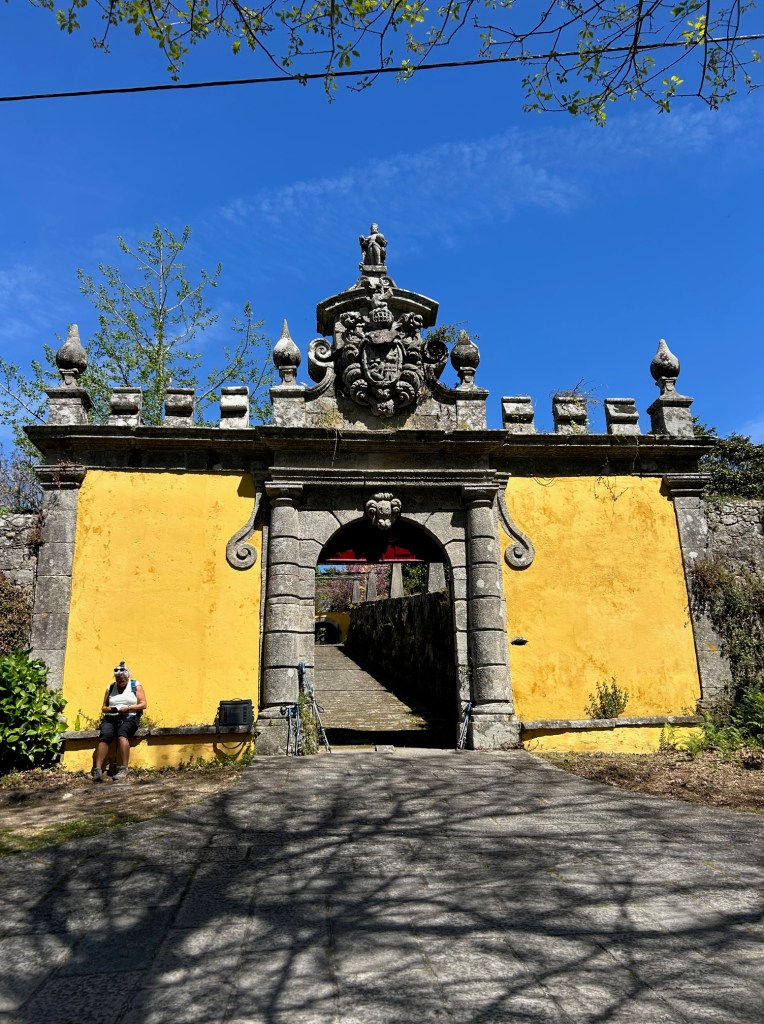
The next morning, after a hearty breakfast and a bit of instruction from our guides, we shuttled to the Trilho dos Canos de Água trailhead, close to the Romanesque-Byzantine inspired Basilica de Santa Luzia. We followed an old water trail from the mountain mines above the city of Viana do Castelo down to its historic center. We stopped for lunch at a private estate on a hillside overlooking the ocean and were treated to a tour of the grounds, private chapel, and famous landmarks by the current resident. The estate had passed down through generations and was originally gifted by a king to an ancestor who had captured a castle during a war. Pretty cool gift. It happened to be my cousin’s birthday, so a special lunch had been prearranged and was served inside an old stone outbuilding on the property. We enjoyed a rustic feast and celebrated my cousin’s special day.


That evening, we dined at Amélie, a family-run restaurant, with live Fado music filling the room. Between the food, the music, and my cousin being serenaded again for her birthday, it felt like Portugal was singing us onward.


👉 To be continued in Part 2, where our Camino takes us across the border into Spain, onto the Ons Islands, and finally to Santiago de Compostela—where centuries of pilgrims have laid their footsteps, their stories, and their prayers.
 Tracey's Tastes
Leave a comment